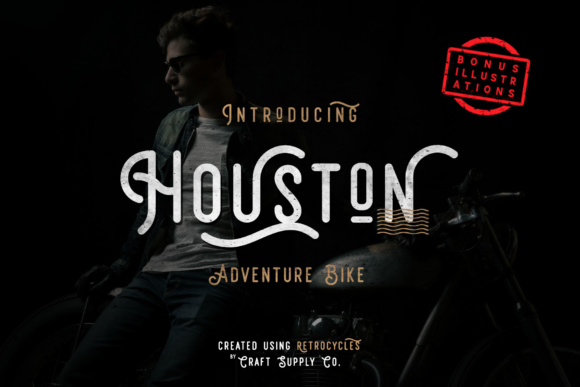
Retrocycles
Reviving the past with a modern twist, Retrocycles offers a unique blend of nostalgia and innovation that resonates deeply in today's design landscape. This approach not only captures attention but also creates a strong emotional connection with audiences, making it a powerful tool for designers aiming to stand out in a crowded market.
In graphic design, Retrocycles can be a game-changer. By integrating vintage elements into contemporary projects, designers can craft visuals that feel both familiar and fresh. This strategy is particularly effective in branding, where a well-balanced retro aesthetic can differentiate a company from its competitors while maintaining a sense of timelessness.
Applications Across Design Fields
The versatility of Retrocycles makes it applicable across various design disciplines. From logo design to web interfaces, this style can enhance visual appeal and user experience. Here are some key areas where Retrocycles shines:
- Branding and Logo Design: Retrocycles can help create logos that evoke a sense of history and trust, ideal for businesses looking to establish a legacy.
- Marketing Materials: Using retro themes in brochures, flyers, and ads can make campaigns more memorable and engaging.
- Social Media Content: Vintage aesthetics can attract attention on platforms like Instagram and Pinterest, where visual storytelling is key.
When applying Retrocycles, it's essential to consider the target audience. While some may prefer a more traditional look, others might appreciate a modern interpretation of retro styles. Balancing authenticity with relevance ensures that the design remains appealing and functional.
Key Considerations for Effective Use
To harness the full potential of Retrocycles, designers should focus on several critical factors. Consistency is crucial; maintaining a cohesive look across all materials reinforces brand identity. Readability and scalability are also important, especially when designing for digital or print mediums.
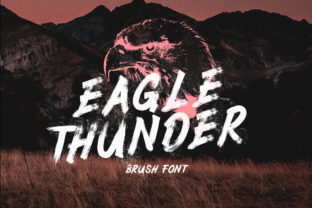
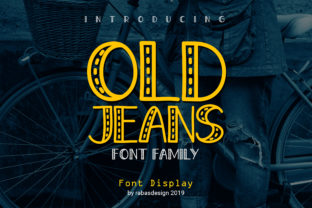
Visual hierarchy plays a significant role in ensuring that the message is clear and impactful. By using typography, color, and composition thoughtfully, designers can guide the viewer's attention and enhance the overall user experience. For instance, a bold, retro font paired with a muted color palette can create a striking contrast that draws the eye.
Additionally, compatibility with existing brand systems should not be overlooked. Retrocycles should complement, not clash with, a brand's current identity. This requires careful selection of elements that align with the brand's values and goals.
Enhancing Creative Projects
Whether working on editorial layouts, packaging design, or advertising campaigns, Retrocycles can elevate the quality of creative projects. It adds depth and character, making designs more engaging and memorable. For example, a retro-inspired packaging design can make a product stand out on the shelf, encouraging customers to take a second look.
In digital marketing, leveraging Retrocycles can help create a distinctive online presence. Social media graphics and website designs that incorporate vintage elements can capture the essence of a brand while appealing to a broader audience. This approach not only enhances aesthetics but also supports effective communication.
Ultimately, the success of Retrocycles lies in its ability to connect with people on an emotional level. By thoughtfully integrating retro elements into modern designs, creators can produce work that is both visually appealing and meaningful. This balance between past and present is what makes Retrocycles a valuable asset in the world of graphic design.