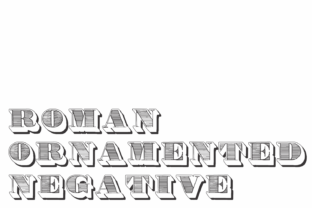
Exploring the Aesthetic and Functional Value of Roman Ornamented Designs
Roman Ornamented is a design concept rooted in the rich visual language of ancient Rome, blending classical motifs with modern aesthetics. This style has gained renewed interest among designers, architects, and creative professionals seeking to infuse their work with historical depth and timeless elegance. Understanding what makes Roman Ornamented unique can help determine its relevance for various projects and audiences.
What Makes Roman Ornamented Distinctive?
Roman Ornamented draws inspiration from the intricate patterns, symbols, and architectural elements found in Roman art and construction. Common features include laurel wreaths, acanthus leaves, geometric borders, and stylized columns. These elements are often combined with a sense of symmetry and proportion that reflects classical ideals.
The strength of Roman Ornamented lies in its ability to convey sophistication without overwhelming the viewer. Unlike more contemporary minimalist styles, it offers a layered visual experience that can enhance both digital and physical spaces. Whether used in graphic design, interior decor, or product branding, this aesthetic brings a sense of heritage and authority.
Key Characteristics and Practical Applications
One of the defining traits of Roman Ornamented is its versatility. It can be adapted to suit different mediums and purposes. For example, in web design, these motifs might appear as subtle background textures or decorative accents that add character without detracting from usability. In print media, they can elevate the perceived value of a publication or brand identity.
Another key characteristic is its emphasis on detail. Roman Ornamented often requires careful execution to maintain clarity and avoid visual clutter. This attention to craftsmanship can be beneficial for professionals who prioritize quality and precision in their work. However, it also demands a level of expertise to implement effectively.
Strengths and Limitations in Real-World Use
In practical terms, Roman Ornamented excels in contexts where a sense of tradition and prestige is important. It is particularly well-suited for luxury brands, cultural institutions, and educational materials that aim to evoke a sense of history and refinement. When executed well, it can create a strong visual identity that resonates with audiences seeking authenticity and depth.
However, there are limitations to consider. The complexity of Roman Ornamented designs may not align with all modern design trends, especially those favoring simplicity and functionality. In some cases, overuse or poor implementation can lead to a dated or cluttered appearance. Designers must balance historical references with contemporary sensibilities to ensure the style remains relevant and effective.
Who Benefits Most from Roman Ornamented?
Professionals in fields such as architecture, graphic design, and branding may find Roman Ornamented particularly useful. For instance, an architect working on a historic restoration project could incorporate these elements to maintain visual continuity with the original structure. Similarly, a designer creating a luxury brand’s visual identity might use Roman Ornamented motifs to communicate exclusivity and timelessness.
Entrepreneurs and small business owners looking to differentiate their offerings may also benefit. By integrating Roman Ornamented into their marketing materials or product packaging, they can create a unique aesthetic that stands out in competitive markets. This approach is especially effective for niche brands targeting audiences with an appreciation for classical design.
Considerations for Implementation
Before adopting Roman Ornamented, it’s important to evaluate its fit within the broader design strategy. Factors such as target audience, platform, and brand messaging should guide the decision. For example, a tech startup aiming for a cutting-edge image may find Roman Ornamented too traditional, while a boutique fashion label could leverage it to emphasize craftsmanship and heritage.
Additionally, the technical aspects of implementation should not be overlooked. High-quality vector graphics or detailed illustrations are often necessary to preserve the integrity of Roman Ornamented elements. This may require additional resources or specialized tools, which could impact production timelines and costs.
Long-Term Value and Effectiveness
When used thoughtfully, Roman Ornamented can offer long-term value by establishing a distinctive visual identity that remains relevant over time. Unlike fleeting design trends, classical elements tend to have a lasting appeal, making them a wise investment for brands and projects with long-term goals.
However, the effectiveness of Roman Ornamented depends on consistent application. Inconsistent use or haphazard integration can dilute its impact and confuse the intended message. Professionals should develop clear guidelines for incorporating these elements to maintain coherence across all platforms and materials.
Professional Observations and Recommendations
From a professional standpoint, Roman Ornamented is best suited for projects that benefit from a strong visual narrative. It works well in contexts where storytelling and symbolism play a significant role, such as in museum exhibits, editorial design, or cultural campaigns. For these applications, the style can enhance engagement and provide a deeper connection to the content.
For those considering Roman Ornamented, a phased approach may be advisable. Start with small, low-risk implementations to test the response before scaling up. This allows for adjustments based on real-world feedback and ensures that the style aligns with the overall vision and audience expectations.
Ultimately, Roman Ornamented is not a one-size-fits-all solution. Its success depends on how well it is integrated into the broader design ecosystem and whether it aligns with the specific needs and goals of the project. For those willing to invest in thoughtful execution, it can be a powerful tool for creating visually compelling and meaningful work.